Grinding Wheels Inspection


 Menu

Beijing Quality Standard Technology Co. Ltd,

Valve Inspection
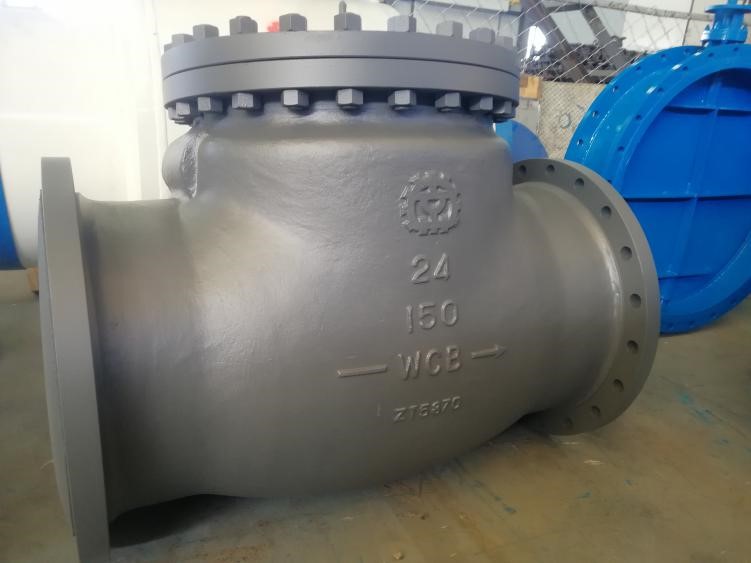
Third-party valve inspection is normally arranged by the purchaser, and the representative from the third-party inspection agency. Usually, a list of documents is required to review by valve inspector, including:


Valve Material Inspection by Third Party
The original or authenticated copies of valve material mill certificates need to be available and provide to the inspector (TPI) with the factory. The inspector check these material certificates for compliance with design specifications or drawings. The review documents includes checking the documents below:
Valve material includes the body stem material, shell material, valve trim materials, ball, wedge or flap materials, operating components, support material, gland materials, anti-friction materials, well end, flanges, and any other specified component material. Then the inspector witnesses the materials identification on the certificates against the materials marking specifications to be sure they are meet each others.
Upon completion of the valve material inspection by the third part inspector, he issues an inspection report (IR), that contains the following items:
Shell test is required for all valve types. This is actually a pressure test where normally air, inert gas, water, kerosene, etc can be used as the test fluid. The minimum shell test pressure that can use are listed in table 2 of API-598 standard. The pressure is applied inside the assembled valve with the ends closed. The valve will be partially open and be able to hold pressure for a certain time and the important thisng is that pressure should not be less than 1.5 times of maximum working pressure. There is also not have the leakage.


 Low-pressure closure test/ High-pressure closure test
Closure tests are performed to confirm leakage past or through a valve’s closure mechanism. The Closure Test or Valve Seat Leak Test is performed after the successful completion of the Valve Body Test/shell test. One side of the valve inlet or outlet shall be subjected to the hydrostatic pressure and the amount of leak shall be measured on the opposite side of the valve
To explain it, if you are pressurizing the valve inlet, then you have to measure the amount of leakage in the outlet. For both low-pressure and high-pressure tests leakage through the disc, behind the seat rings, or past the shaft seals is not permitted. However, a limited amount of leakage is permissible at the seat-sealing surface interface which is listed in table 5 of API-598.
Double block and bleed (DBB) high-pressure closure test
Pressure shall be applied successively to each side of the closure and Leakage into the body cavity shall be checked.
Visual examination of castings
A visual examination must be performed on all castings to ensure conformance with MSS SP-55.
High-pressure pneumatic shell test
A high-pressure pneumatic shell test should be performed after the shell test, using appropriate safety precautions. The pneumatic shell test pressure shall be 110 % of the maximum allowable pressure at 38 degrees C (100 degrees F) or as specified in the purchase order. Visible leakage is not allowed
Table 1 of API 598 specifies the pressure test requirements for various types of Valves. The test equipment should not apply external forces that affect seat or body seal leakage. The following figure shows some sample test equipment used for valve testing
Codes and Standards for Valve Inspection and Testing
Valve inspection and testing must be performed for the smooth and safe operation of industrial processes. Major codes and standards that guide the inspection and testing procedure of a valve are
 What is the Third-Party Inspection:
A Third-Party Inspection, or TPI, is the term used for independent impartial inspection services provided by a qualified company. They will send out the inspection team to the factory to conduct quality inspections and conduct a series of testing on the products to check if they meet the required quality standards.
Before the manufacturing process, your products will be designed and a prototype will be created. After you have approved the design and the materials to be used, the product will be sent to the factory where it will be mass-produced. And now, this is the time that the third-party inspection happens.
It is depended on the services you request from your TPI agency; the inspection can happen at any time during production.
 Here we would like to mention some inspection scopes which TPI attend:
Pre-production inspection:
During this step, the inspectors visit the factory before the production begins. They check the raw materials and components that will be used. This is done ensure that the specified requirements will be followed during production.
Manufacturing or production inspection:
When the products have been inspected during the manufacturing process.
It’s also when a series of tests on the product is carried out to ensure that they are produced to the correct standard and that they meet product specifications.
Final inspection:
This step involves checking a sample of products from the batch to determine any defects before they are shipped.
Pre-shipment inspection:
Involved in this step is the checking of finished goods to determine if it meets standard quality before they are packed for shipping.
Container loading supervision:
This is also known as the loading inspection where an inspector supervises the packing of products into containers to ensure that they are packed correctly and securely before it’s sold in the market.
Some companies only offer the final inspection services, whereas some prefer offers pre-production inspection (PSI) services until pre-shipment inspection services. It is really depending on what the client required from TPI agency.
 What are the Benefits of Conducting a Third-Party Inspection?
 BQS has been working as a third-party inspection company so far and we are working to make you ensure about your products quality.